
Embark on a journey exploring the dynamic landscape of modern education, where knowledge is the key to unlocking endless possibilities and shaping a brighter future for all.
Delve into the transformative power of education in molding individuals and societies, and discover the profound impact it has on personal growth and societal progress.
Education Definition
Education is a systematic process of acquiring knowledge, skills, values, beliefs, and habits. It plays a vital role in shaping individuals and societies, enabling personal growth and development, as well as contributing to the progress and advancement of communities. Education is essential for fostering critical thinking, problem-solving abilities, and a sense of responsibility towards oneself and others.
Forms of Education
- Formal Education: This type of education is structured, classroom-based, and follows a specific curriculum. It is typically provided by schools, colleges, and universities, leading to recognized qualifications.
- Informal Education: Informal education occurs outside traditional educational institutions and is not structured or organized. It includes learning from daily experiences, interactions with others, and self-directed study.
- Non-formal Education: Non-formal education is organized and structured but does not lead to formal qualifications. It includes programs and courses aimed at specific groups, such as adult education, vocational training, and skill development initiatives.
Evolution of Education
Education has evolved significantly over time, adapting to the changing needs of society and advancements in technology. In the past, education was primarily focused on basic literacy and numeracy skills. However, modern education emphasizes critical thinking, creativity, and digital literacy to prepare individuals for the complexities of the 21st century. The shift towards online learning, blended learning approaches, and personalized education plans reflects the changing landscape of education in a globalized world.
Education Essay
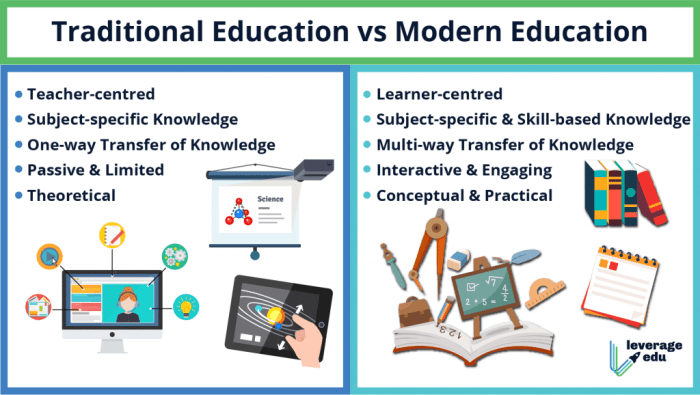
Educational institutions play a crucial role in shaping individuals and communities by providing the necessary knowledge and skills to succeed in various aspects of life. Education is not just about academic learning but also about instilling values, critical thinking, and problem-solving abilities.
Role of Education in Personal Growth and Development
Education has a profound impact on personal growth and development. It equips individuals with the tools to navigate through challenges, make informed decisions, and adapt to changing circumstances. Through education, individuals can discover their strengths, interests, and passions, leading to self-improvement and a sense of fulfillment.
Impact of Education on Achieving Success and Progress
Education is a key factor in achieving success and progress. It opens doors to better opportunities, higher-paying jobs, and a higher standard of living. By acquiring knowledge and skills through education, individuals can contribute positively to society, drive innovation, and create a better future for themselves and others.
Education Games
Educational games have become a popular tool in modern education due to their ability to make learning more engaging and interactive. By incorporating game elements into the learning process, students can develop essential cognitive skills while having fun.
Benefits of Educational Games
- Enhanced problem-solving skills: Educational games often present students with challenges that require critical thinking and problem-solving abilities to advance.
- Improved memory retention: Games that incorporate repetition and reinforcement can help students retain information more effectively.
- Increased motivation: The competitive and rewarding nature of games can motivate students to actively participate and strive for success.
Examples of Educational Games
Several educational games have been designed to specifically target cognitive skills and enhance learning. Some popular examples include:
- Math Blaster: A game that helps students improve their math skills through interactive challenges and problem-solving tasks.
- Scratch: A programming game that introduces students to coding concepts in a fun and engaging way.
- Word Munchers: A game focused on vocabulary building and language skills through word puzzles and challenges.
Engagement and Interactivity in Learning
Educational games have the unique ability to make learning more engaging and interactive by providing immediate feedback, rewarding progress, and creating a dynamic learning environment. Students are more likely to stay focused and motivated when learning through games, leading to better retention of information and overall academic success.
Education History
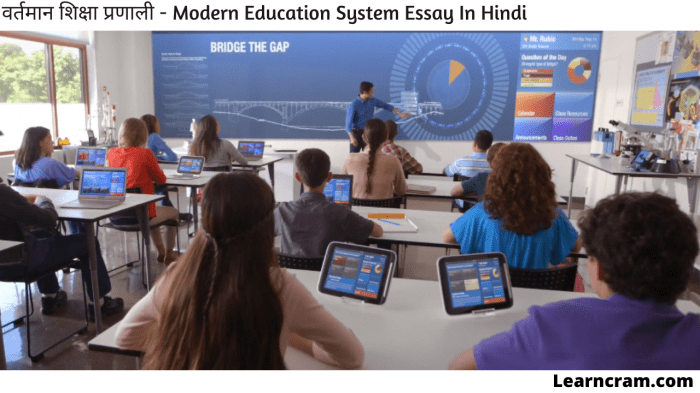
Education has a rich history that dates back to ancient civilizations and has evolved significantly over time. From the earliest forms of informal teaching to the structured systems we have today, education has played a crucial role in shaping societies and individuals.Throughout history, education has undergone various transformations, influenced by different cultures, philosophies, and societal needs. Let’s explore the key milestones in the evolution of education systems worldwide and discuss the impact of major educational philosophies on current practices.
Ancient Civilizations
Education in ancient civilizations like Mesopotamia, Egypt, Greece, and Rome was primarily focused on imparting practical skills and knowledge necessary for survival. Schools were often reserved for the elite, with a strong emphasis on subjects like mathematics, philosophy, and literature.
- Ancient Mesopotamia: The earliest known form of formal education can be traced back to Mesopotamia, where clay tablets were used to teach writing and arithmetic.
- Ancient Greece: The Greeks introduced the concept of a well-rounded education, emphasizing physical fitness, music, and intellectual pursuits through the teachings of philosophers like Socrates and Plato.
- Ancient Rome: Roman education was heavily influenced by Greek culture, focusing on rhetoric, law, and governance to prepare young men for leadership roles in society.
Medieval and Renaissance Periods
During the medieval and Renaissance periods, education was primarily controlled by the church and focused on religious teachings. The rise of universities in Europe led to the formalization of education, with a curriculum that included theology, philosophy, and the humanities.
- Medieval Monastic Schools: Monasteries served as centers of learning during the medieval period, preserving knowledge through manuscripts and teaching Latin, theology, and music.
- Renaissance Humanism: The Renaissance brought a renewed interest in classical learning and humanist values, emphasizing critical thinking, literature, and the arts as essential components of education.
Modern Education Systems
The Industrial Revolution and the Enlightenment era marked significant shifts in education, leading to the establishment of public schools, compulsory education laws, and the diversification of educational opportunities.
- Industrial Revolution: The need for a skilled workforce prompted the development of public education systems, with a focus on practical skills, literacy, and numeracy to meet the demands of industrialization.
- Progressive Education: Educational reformers like John Dewey advocated for a child-centered approach to learning, promoting hands-on experiences, critical thinking, and social development in schools.
Education continues to evolve in response to changing societal needs, technological advancements, and educational research, reflecting a dynamic history of innovation and adaptation.
Education Film
Films have been a powerful medium to explore various themes, including education and learning. They have the ability to captivate audiences and provide insights into the world of educational institutions, teachers, and students. Through compelling storytelling and visual representation, educational films have the potential to influence society’s perception of learning.
Popular Films Depicting Educational Institutions
- Dead Poets Society: This film focuses on an English teacher who inspires his students to seize the day and pursue their passions.
- The Breakfast Club: A classic film that follows a group of high school students from different backgrounds as they come together during detention and learn valuable lessons about themselves and each other.
- Freedom Writers: Based on a true story, this film follows a teacher who inspires her at-risk students to overcome their struggles through writing.
Impact of Educational Films on Society
- Educational films can shed light on the challenges faced by students and teachers in the education system, raising awareness and sparking conversations about necessary reforms.
- By portraying inspirational teachers and students overcoming obstacles, these films can motivate and encourage individuals to pursue their educational goals and aspirations.
- Through realistic and relatable storytelling, educational films have the power to humanize the education experience, fostering empathy and understanding among viewers.
Education Banner
Banners play a crucial role in educational institutions for communication purposes. They serve as a visual tool to convey important information to students, parents, and staff in a clear and eye-catching way.Effective educational banners are designed with specific elements to maximize their impact. These elements include vibrant colors, bold fonts, concise messaging, and relevant imagery. For example, a banner promoting a school event may use school colors, a large headline, and engaging graphics to capture attention.By utilizing banners, schools can create a positive learning environment by enhancing school spirit, promoting events and activities, and providing important information.
Banners can help foster a sense of community and pride among students, staff, and parents, ultimately contributing to a more engaging and supportive educational experience.
Examples of Effective Educational Banners
- A welcome banner at the entrance of the school featuring the school motto and logo in bright colors to create a welcoming atmosphere.
- An academic achievement banner celebrating student accomplishments with personalized messages and photos to inspire other students.
- A safety banner with clear instructions and visuals on COVID-19 protocols to ensure a safe learning environment for everyone.
Education Counselor
Education counselors play a crucial role in guiding students towards academic and career success. They provide support and guidance to help students make informed decisions about their educational journey.
Duties and Responsibilities
- Assessing students’ skills, interests, and abilities to help them set academic and career goals.
- Providing information about educational options, programs, and resources available to students.
- Offering guidance on course selection, study habits, and time management to improve academic performance.
- Assisting students in navigating the college application process, including filling out applications and writing essays.
- Conducting career assessments and helping students explore potential career paths based on their interests and strengths.
Importance of Counseling
Education counseling is essential for students as it helps them make well-informed decisions about their academic and career paths. By providing guidance and support, education counselors play a vital role in ensuring that students reach their full potential and achieve their goals.
Supporting Students
- Education counselors offer emotional support to students during challenging times, such as academic struggles or personal issues.
- They help students develop essential skills like critical thinking, problem-solving, and communication, which are valuable for academic and career success.
- Education counselors assist students in creating academic plans and setting achievable goals to track their progress and stay motivated.
- They collaborate with teachers, parents, and other professionals to create a supportive environment for students to thrive academically and personally.
Education Degree
Pursuing a degree in education can open up a wide range of career opportunities and provide individuals with the knowledge and skills needed to make a difference in the field of education.
Different Types of Education Degrees
- Bachelor’s in Education: This degree typically prepares individuals to become teachers in various subjects and grade levels.
- Master’s in Education: This degree allows individuals to specialize in areas such as curriculum development, educational leadership, or special education.
- Doctorate in Education: This advanced degree is geared towards individuals interested in research, academia, or leadership roles in education.
Benefits of Pursuing a Degree in Education
- Gain expertise in teaching methods and strategies to effectively engage students.
- Develop strong communication and interpersonal skills crucial for working with diverse groups of students.
- Access to opportunities for professional growth and advancement in the field of education.
Career Opportunities and Paths for Individuals with an Education Degree
- Teacher: Educators can work in public or private schools, teaching students in various subjects and grade levels.
- Educational Administrator: Individuals with a master’s or doctorate degree can pursue leadership roles such as principal, superintendent, or academic dean.
- Educational Consultant: Education professionals can provide expertise and guidance to schools, districts, or educational organizations.
As we conclude our exploration of modern education, we are reminded of its pivotal role in shaping minds, fostering innovation, and paving the way for a more enlightened tomorrow.
General Inquiries
What are the different forms of education?
Education comes in various forms such as formal, informal, and non-formal, each serving different purposes and audiences.
How have educational games revolutionized learning?
Educational games enhance cognitive skills, making learning more engaging and interactive, thereby improving retention and understanding.
What role do educational counselors play in students’ academic journey?
Education counselors provide vital support in academic and career guidance, helping students navigate their educational paths successfully.


