
Embark on a journey through the rich tapestry of teaching methods, from ancient practices to modern innovations. Delve into the evolution of education and the influential figures who shaped pedagogy over centuries.
Uncover the contrasting realms of traditional teaching techniques and contemporary approaches, exploring how they have redefined the educational landscape.
History of Teaching Methods
Teaching methods have evolved significantly over the centuries, adapting to the changing needs of societies and advancements in technology.
Evolution of Teaching Methods
Throughout history, teaching methods have transitioned from traditional oral instruction and memorization to more interactive and student-centered approaches. In ancient civilizations, such as Greece and Rome, education focused on rhetoric, memorization, and philosophical discussions. During the Middle Ages, teaching was largely conducted in religious institutions, emphasizing rote learning and discipline. The Renaissance period saw a revival of interest in classical education and the introduction of textbooks.
The industrial revolution paved the way for the establishment of formal schooling systems and the use of standardized textbooks.
Key Figures in Revolutionizing Teaching Methodologies
- John Amos Comenius: Known as the father of modern education, Comenius advocated for a more practical and interactive approach to teaching, emphasizing the use of visual aids and real-life examples.
- Maria Montessori: Montessori developed the Montessori method, which focuses on hands-on learning, self-directed activity, and collaborative play.
- John Dewey: Dewey promoted the idea of experiential learning and believed that education should be relevant to the needs of students and society.
Comparison of Traditional vs. Modern Teaching Methods
Traditional teaching methods often involved teacher-centered instruction, rote memorization, and a focus on passive learning. In contrast, modern approaches prioritize student engagement, critical thinking, and the use of technology to enhance learning outcomes. Traditional methods may lack individualization and fail to address diverse learning styles, while modern approaches aim to cater to the unique needs of each student and foster a deeper understanding of the subject matter.
Education Definition
Education is the process of acquiring knowledge, skills, values, and beliefs through teaching, training, or research. It plays a significant role in society by shaping individuals and preparing them for the challenges of the world. Education provides opportunities for personal growth, social mobility, and economic prosperity.
Types of Education
- Formal Education: This type of education is structured and systematic, usually provided in schools, colleges, and universities. It follows a curriculum and leads to recognized qualifications.
- Informal Education: Informal education occurs outside traditional academic settings and is often spontaneous or incidental. It includes learning from experiences, interactions, and observations in daily life.
- Non-Formal Education: Non-formal education is organized but not necessarily structured like formal education. It caters to specific learning needs and can take place in community centers, workshops, or online platforms.
Evolution of Education in the Digital Age
In the digital age, education has transformed significantly with the integration of technology into learning processes. This evolution has led to:
- Increased accessibility to educational resources through online platforms, virtual classrooms, and digital libraries.
- Personalized learning experiences tailored to individual needs and preferences.
- Enhanced collaboration and communication among students and teachers through online forums, video conferencing, and social media.
- Innovative teaching methods such as gamification, simulations, and augmented reality to engage learners and enhance retention.
Education Essay
Writing an effective education essay requires careful planning and research. Here are some tips to help you craft a compelling piece:
Research and Evidence
Research is crucial when writing an education essay. Make sure to gather reliable sources and evidence to support your arguments. Citing reputable studies and experts in the field can strengthen your essay and make it more convincing.
Examples of Impactful Essays
- One impactful education essay is “The Banking Concept of Education” by Paulo Freire. In this essay, Freire discusses the flaws of the traditional education system and proposes a more student-centered approach.
- Another notable essay is “The Child and the Curriculum” by John Dewey. Dewey explores the relationship between education and experience, emphasizing the importance of hands-on learning and critical thinking.
- “Teaching to Transgress” by bell hooks is a thought-provoking essay that challenges traditional notions of education and advocates for inclusive and equitable teaching practices.
Education Games
Integrating educational games into teaching practices can bring a multitude of benefits to both educators and students. These games have the ability to make learning more interactive, engaging, and enjoyable, ultimately leading to improved retention of information.
Benefits of Educational Games
- Enhanced Engagement: Educational games capture students’ attention and motivate them to actively participate in the learning process.
- Improved Retention: By incorporating game elements like challenges, rewards, and competition, students are more likely to remember and apply what they have learned.
- Enhanced Critical Thinking: Games often require problem-solving skills, decision-making, and strategic thinking, promoting cognitive development.
Examples of Popular Educational Games
| Game Title | Impact on Learning |
|---|---|
| Prodigy | Helps students practice math skills in a fun and engaging way, leading to improved numerical fluency. |
| Kahoot! | Facilitates interactive quizzes and surveys that promote active participation and knowledge retention among students. |
Enhancing Student Engagement and Retention
- Educational games can create a dynamic learning environment that encourages collaboration, problem-solving, and creativity.
- By tapping into students’ natural inclination towards play, games can foster a positive attitude towards learning and reduce boredom.
- Through real-time feedback and progress tracking, educators can identify students’ strengths and weaknesses, tailoring instruction to individual needs.
Education History
Educational practices have evolved significantly over time, shaping the way knowledge is imparted and acquired. Let’s explore the history of education from ancient civilizations to the modern era, highlighting key milestones and the impact of historical events.
Ancient Civilizations
Ancient civilizations such as Mesopotamia, Egypt, Greece, and Rome laid the foundation for educational systems. They established schools to educate the elite class in subjects like language, mathematics, and philosophy.
Middle Ages and Renaissance
- The Middle Ages saw the rise of monastic schools and cathedral schools, where religious education was emphasized.
- The Renaissance period brought about a renewed interest in classical learning, leading to the establishment of universities and the printing press.
Industrial Revolution
- The Industrial Revolution transformed education by introducing compulsory schooling and standardized curricula to meet the demands of industrialization.
- Mass education became more accessible, but disparities in quality and access persisted.
Modern Era
- The 20th century witnessed significant advancements in education, such as the development of progressive education theories by Dewey and Montessori.
- The digital age brought about e-learning platforms and the integration of technology in classrooms, revolutionizing teaching methods.
Education Film
Education has been a common theme in many popular films, often shaping the way we perceive teaching and learning. These movies not only entertain but also provide insight into the challenges and triumphs of education.
Portrayal of Education in Popular Films
Many popular films have depicted education in various ways, showcasing both the struggles and successes of teachers and students. Some films highlight the dedication of educators, while others shed light on the inequalities present in the education system.
Influence of Films on Perceptions of Education
Films play a significant role in shaping our perceptions of education and teaching. They can inspire individuals to pursue careers in education or raise awareness about important issues within the education system. However, it’s essential to remember that films are often dramatized and may not always accurately represent real-life educational experiences.
Themes Related to Teaching Methods in Educational Films
- Teachers Going Above and Beyond: Many educational films showcase teachers who go above and beyond to make a difference in their students’ lives. These educators often use innovative teaching methods to engage their students and foster a love for learning.
- Struggles in the Classroom: Some films explore the challenges that teachers face in the classroom, such as overcrowded classrooms, lack of resources, and student apathy. These films shed light on the realities of teaching and the obstacles that educators must overcome.
- The Power of Education: Educational films often emphasize the transformative power of education, showing how it can change lives and break cycles of poverty and inequality. These films highlight the importance of access to quality education for all individuals.
Education Banner
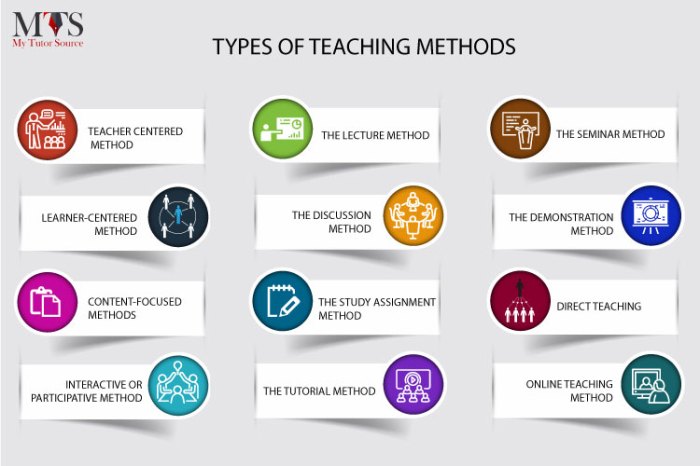
Educational banners play a significant role in creating an engaging and visually stimulating learning environment for students. These banners are not just decorative pieces but are designed to convey important information, reinforce key concepts, and spark curiosity among learners. By incorporating educational banners in schools or educational settings, educators can effectively enhance the overall learning experience for students.
Examples of Educational Banners
- Alphabet and number banners: These banners are commonly used in preschools and early childhood education settings to help children learn the alphabet, numbers, and basic math concepts through colorful and interactive designs.
- Motivational banners: Inspirational quotes, positive affirmations, and motivational messages displayed on banners can create a positive and supportive learning environment, encouraging students to stay focused and motivated.
- Subject-specific banners: Banners related to specific subjects such as science, history, or literature can visually represent key information, timelines, or important figures, making the learning content more accessible and engaging for students.
Enhancing the Learning Experience
Educational banners can enhance the learning experience in several ways:
- Visual reinforcement: Visual aids such as banners can reinforce the information presented in textbooks or lectures, helping students better understand and retain the material.
- Interactive learning: Banners with interactive elements such as quizzes, puzzles, or games can make learning more interactive and engaging, promoting active participation and knowledge retention.
- Cultural appreciation: Banners showcasing diverse cultures, languages, or historical events can promote cultural awareness and appreciation among students, fostering a sense of inclusivity and global understanding.
Education Counselor
An education counselor plays a crucial role in supporting students throughout their academic journey. They provide guidance, counseling, and resources to help students navigate challenges and achieve success.
Support Strategies for Academic Success
- Setting academic goals: Education counselors work with students to establish clear and achievable academic goals to provide direction and motivation.
- Creating study plans: They assist students in creating personalized study plans to improve time management and enhance learning efficiency.
- Identifying learning styles: Education counselors help students identify their unique learning styles to tailor study techniques and strategies accordingly.
- Offering career guidance: They provide information about different career paths, educational opportunities, and resources to help students make informed decisions about their future.
Importance of Mental Health and Emotional Well-being
Mental health and emotional well-being are essential aspects of education counseling as they significantly impact a student’s overall academic performance and well-being. Education counselors prioritize the following:
- Providing emotional support: Counselors offer a safe space for students to express their feelings, concerns, and anxieties, promoting emotional resilience and well-being.
- Teaching coping strategies: They teach students coping mechanisms to manage stress, anxiety, and other emotional challenges effectively.
- Referring to mental health professionals: Education counselors recognize when professional mental health support is needed and refer students to appropriate resources for further assistance.
- Promoting self-care: Counselors emphasize the importance of self-care practices, such as mindfulness, relaxation techniques, and healthy lifestyle habits, to maintain mental and emotional wellness.
Education Degree
Obtaining an education degree is a crucial step for individuals looking to pursue a career in teaching. Education degrees provide the necessary knowledge and skills required to effectively educate students and contribute to the field of education. Let’s explore the different types of education degrees available, compare their requirements and career paths, and discuss their impact on teaching practices.
Types of Education Degrees
- Bachelor’s Degree in Education: This degree typically focuses on foundational teaching skills and subject-specific knowledge. It is often a requirement for obtaining a teaching license.
- Master’s Degree in Education: A more specialized degree that allows educators to deepen their understanding of teaching methodologies, curriculum development, and educational leadership.
- Doctorate in Education (Ed.D. or Ph.D.): The highest level of education degree, focusing on research, policy development, and advanced teaching practices.
Requirements and Career Paths
- Bachelor’s Degree: Requires completion of a teacher education program, student teaching experience, and passing a licensure exam. Career paths include elementary, secondary, or special education teacher.
- Master’s Degree: Requires a bachelor’s degree and teaching experience. Career paths include curriculum specialist, school administrator, or educational consultant.
- Doctorate Degree: Requires a master’s degree, research experience, and a dissertation. Career paths include university professor, education policy analyst, or researcher.
Impact on Teaching Practices
- Education degrees provide educators with pedagogical knowledge, instructional strategies, and assessment techniques to enhance their teaching practices.
- Advanced degrees allow teachers to specialize in areas such as special education, literacy instruction, or educational technology, leading to more effective classroom instruction.
- Continuing education and professional development through education degrees help teachers stay current with best practices and innovative teaching methods.
In conclusion, the history of teaching methods unveils a narrative of adaptation, experimentation, and transformation in the realm of education. It underscores the dynamic nature of pedagogy and its enduring impact on learning outcomes.
Essential FAQs
How have teaching methods evolved over time?
Teaching methods have evolved from traditional practices to modern approaches influenced by technological advancements and pedagogical research.
Who are some key historical figures in revolutionizing teaching methodologies?
Key historical figures include Maria Montessori, John Dewey, and Friedrich Froebel, who have significantly impacted educational practices.
What is the significance of educational banners in learning environments?
Educational banners serve as visual aids that enhance the learning experience by providing information in a visually appealing manner.


