
Embark on a journey through time as we delve into the intriguing world of ancient education systems, exploring their unique structures, the roles of teachers and students, and the influence of cultural beliefs. Get ready to uncover the fascinating differences between ancient and modern educational practices.
In this exploration, we will navigate through the evolution of education, from its roots in history to its relevance in today’s society, shedding light on the significance of this timeless institution.
Ancient Education Systems
Ancient education systems varied greatly around the world, but they shared some common characteristics. Education was often reserved for the elite or privileged classes, with a focus on teaching subjects like literature, philosophy, and rhetoric. The structure of ancient education systems was more rigid and hierarchical compared to modern systems.
Key Differences Between Ancient and Modern Education Systems
- Ancient education systems focused more on memorization and recitation, while modern systems emphasize critical thinking and problem-solving skills.
- Ancient education was often limited to a select few, whereas modern education strives for universal accessibility.
- In ancient times, education was primarily oral and teacher-centered, while modern education incorporates a variety of teaching methods and technologies.
Role of Teachers and Students in Ancient Educational Settings
In ancient education systems, teachers held a position of authority and were revered for their knowledge and wisdom. Students were expected to show respect and obedience to their teachers, who played a crucial role in shaping the moral and intellectual development of their pupils.
Impact of Cultural Beliefs and Values on Ancient Education Systems
Cultural beliefs and values heavily influenced ancient education systems. For example, in ancient Greece, education was seen as a means to cultivate the mind and body to become virtuous citizens. In Confucian societies, education focused on instilling moral values and respect for authority. These cultural influences shaped the curriculum, teaching methods, and overall goals of education in ancient civilizations.
Education Definition
Education is the process of acquiring knowledge, skills, values, and beliefs through various methods to prepare individuals for personal development and participation in society. It plays a crucial role in shaping individuals and societies by imparting essential skills, fostering critical thinking, and promoting lifelong learning.
Main Objectives of Education
Education aims to equip individuals with the necessary knowledge and skills to lead a fulfilling life, contribute to the economy, and participate meaningfully in society. The main objectives of education include:
- Providing a foundation of knowledge and skills
- Fostering critical thinking and problem-solving abilities
- Promoting personal development and growth
- Developing social skills and values
Different Forms of Education
Education goes beyond traditional classroom settings and can take various forms, including:
- Informal education through experiences and interactions
- Online education through digital platforms and courses
- Vocational training for specific skills and trades
- Life-long learning opportunities for continuous personal development
Evolution of Education
Education has evolved significantly over time, adapting to societal changes, technological advancements, and new learning methodologies. From the early days of oral traditions and apprenticeships to modern-day digital learning, education continues to transform to meet the needs of a dynamic world.
Education Essay
Writing essays in education plays a crucial role in enhancing critical thinking, analytical skills, and communication abilities. It allows students to delve deeper into a topic, organize their thoughts coherently, and present arguments effectively.
Importance of Writing Essays in Education
When it comes to writing an education essay, here are some tips to help you craft a compelling and informative piece:
- Choose a relevant and engaging topic that interests you.
- Conduct thorough research to gather credible sources and evidence to support your arguments.
- Artikel your essay structure before you start writing to ensure a logical flow of ideas.
- Start with a strong introduction that grabs the reader’s attention and clearly states your thesis.
- Use clear and concise language to convey your ideas effectively.
- Support your arguments with examples, statistics, and quotations from experts in the field.
- Conclude your essay by summarizing your main points and restating your thesis.
Role of Research in Crafting an Educational Essay
Research is a fundamental aspect of crafting an educational essay as it helps you gather evidence, data, and expert opinions to support your arguments. By conducting thorough research, you can ensure that your essay is well-informed, credible, and persuasive.
Contribution of Essays to the Overall Learning Process
Essays play a significant role in the overall learning process by encouraging students to think critically, analyze information, and articulate their ideas effectively. Through the process of writing essays, students can deepen their understanding of a subject, develop their writing skills, and enhance their ability to communicate complex ideas.
Education Games
Educational games are interactive tools designed to make learning more engaging and effective. By incorporating game elements such as challenges, rewards, and competition, these games aim to enhance the learning experience and improve retention of information.
Technology has played a significant role in the development of educational games, providing opportunities for immersive and interactive learning experiences. With the use of simulations, virtual reality, and gamified platforms, students can engage with educational content in a more dynamic and personalized way.
Popular Educational Games and Impact
Popular educational games such as “Math Blaster”, “Prodigy”, and “Minecraft: Education Edition” have demonstrated positive impacts on learning outcomes. These games help students develop critical thinking skills, problem-solving abilities, and subject-specific knowledge in a fun and engaging manner.
- Math Blaster: A math-focused game that helps students improve their arithmetic skills through interactive challenges and puzzles.
- Prodigy: An online math game that adapts to students’ learning levels and provides personalized feedback to enhance understanding of mathematical concepts.
- Minecraft: Education Edition: A sandbox game that promotes creativity, collaboration, and problem-solving skills through virtual building and exploration.
Role of Gamification in Modern Education
Gamification is the integration of game design elements into non-game contexts, such as education, to motivate and engage learners. By incorporating elements like points, badges, and leaderboards, educators can create a more interactive and rewarding learning environment.
- Points and Rewards: By awarding points for completing tasks or achieving milestones, students are motivated to actively participate and progress in their learning journey.
- Badges and Achievements: Recognizing students’ accomplishments with virtual badges and achievements helps boost their self-esteem and encourages continued effort and improvement.
- Leaderboards and Competition: Introducing friendly competition through leaderboards can foster a sense of community and collaboration among students, driving engagement and participation.
Education History
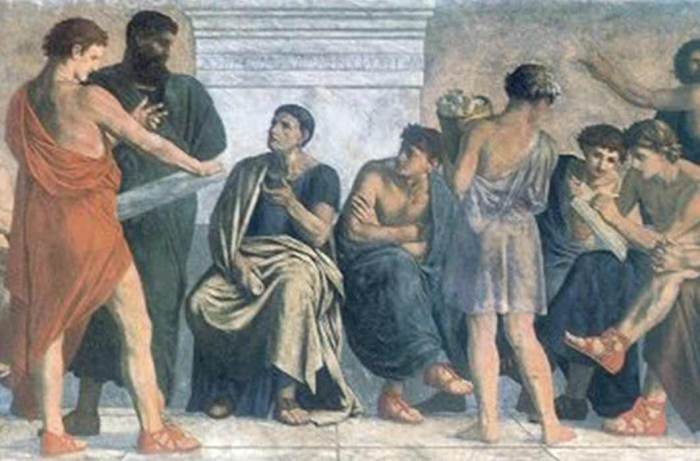
Educational systems have evolved significantly over centuries, shaping the way knowledge is passed down from generation to generation. From ancient times to the present day, education has undergone numerous changes and reforms.
Ancient Education Systems
Ancient civilizations such as the Greeks, Romans, and Egyptians laid the foundation for formal education. In these societies, education was primarily reserved for the elite class, focusing on subjects like philosophy, mathematics, and rhetoric.
Medieval Education
During the Middle Ages, education was mainly provided by religious institutions such as monasteries and cathedral schools. The curriculum focused on theology, Latin, and classical literature, with limited access for the general population.
Renaissance and Enlightenment Era
- The Renaissance period saw a revival of interest in classical learning, leading to the establishment of universities and the emphasis on humanism.
- The Enlightenment era brought about a shift towards secular education, promoting reason, science, and critical thinking.
Industrial Revolution and Modern Education
- The Industrial Revolution marked a significant turning point in education, with the need for skilled workers driving the establishment of public schools and compulsory education laws.
- The 20th century witnessed further advancements in education, including the rise of progressive education movements and the integration of technology in classrooms.
Key Figures in Education History
Confucius, Plato, Aristotle, John Dewey
Throughout history, there have been influential figures who have shaped educational philosophies and practices, leaving a lasting impact on the field of education.
Education Film
Movies have long been a powerful medium for storytelling and conveying important messages to audiences. When it comes to the portrayal of education in films, various themes and aspects of learning have been explored throughout cinematic history. Educational films often serve as a reflection of societal values, challenges, and aspirations, offering viewers insights into the world of education and its impact on individuals and communities.
Portrayal of Education in Films
- Education is often depicted as a transformative journey for characters, showcasing personal growth, challenges, and triumphs.
- Teachers are portrayed as influential figures who shape the lives of their students and inspire them to reach their full potential.
- School settings are used to explore themes such as friendship, rivalry, bullying, and the pursuit of knowledge.
- Historical and biographical films often highlight the struggles and achievements of real-life educators and students, shedding light on the importance of education in shaping society.
Impact of Educational Films on Society
- Educational films have the power to raise awareness about educational issues, inspire change, and promote dialogue on topics such as inequality, access to education, and the role of teachers.
- These films can influence public perception of the education system, shaping attitudes towards learning, teaching methods, and the value of education in personal and societal development.
- By presenting diverse perspectives and experiences related to education, films can spark discussions, encourage empathy, and foster a deeper understanding of the challenges and opportunities within the education sector.
Popular Films Focusing on Education
- “Dead Poets Society”
-A classic film exploring the transformative power of education and the influence of an inspiring teacher on his students. - “Freedom Writers”
-Based on a true story, this film follows a teacher who inspires her at-risk students to overcome challenges and strive for a better future through education. - “Stand and Deliver”
-Another true story adaptation, this film showcases the dedication of a teacher in helping his students excel in mathematics against all odds. - “The Great Debaters”
-Inspired by a true story, this film depicts a debate team from a historically black college challenging racial discrimination and academic barriers through the art of argumentation.
Education Banner
Educational banners play a crucial role in academic settings by serving as visual aids that enhance the learning environment and provide important information to students, teachers, and visitors.
Purpose of Educational Banners
- Displaying important announcements, upcoming events, and academic achievements.
- Promoting school spirit, values, and educational goals.
- Providing directions, guidelines, and information about school policies.
Examples of Effective Educational Banners
- A banner showcasing the school’s mission statement and core values in a prominent location.
- An interactive banner with QR codes linking to educational resources and extracurricular activities.
- A banner highlighting student accomplishments and academic achievements to inspire others.
Role of Visual Communication in Educational Banners
Visual communication plays a key role in educational banners by:
- Grabbing attention and conveying information quickly and effectively.
- Enhancing memory retention and understanding through visual elements and graphics.
- Creating a visually appealing and engaging learning environment for students.
How Educational Banners Enhance the Learning Environment
- Stimulating curiosity and fostering interest in academic subjects and school activities.
- Reinforcing key messages, values, and educational goals through visual reminders.
- Improving school culture and community engagement by showcasing achievements and events.
Education Counselor
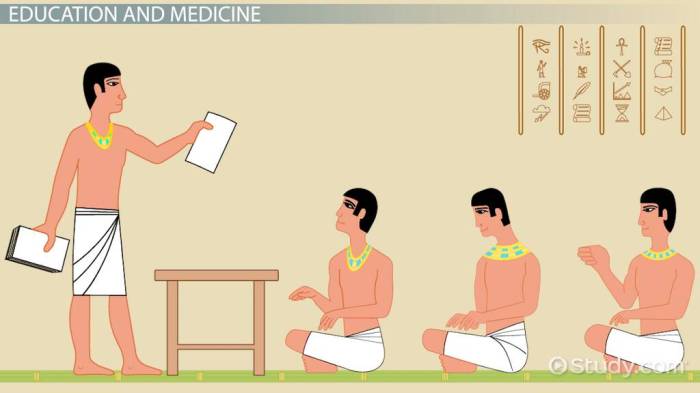
An education counselor plays a crucial role in guiding students through their academic journey, providing support, advice, and resources to help them achieve their educational goals.
Role of an Education Counselor
An education counselor helps students with academic planning, course selection, career guidance, and personal development. They assess students’ strengths and weaknesses, provide information on educational opportunities, and assist in resolving academic or personal issues that may affect their learning.
Skills and Qualifications
To become an education counselor, one typically needs a bachelor’s degree in counseling, psychology, education, or a related field. Additionally, strong communication skills, empathy, problem-solving abilities, and a deep understanding of educational systems are essential.
Importance of Guidance and Counseling
Guidance and counseling in education are vital as they help students navigate the complexities of academic life, make informed decisions about their future, and overcome any obstacles they may face. Education counselors provide a supportive environment for students to explore their interests, set goals, and develop essential skills for success.
Challenges and Rewards
Being an education counselor comes with its challenges, such as dealing with students’ diverse needs, managing time effectively, and addressing sensitive issues. However, the rewards of making a positive impact on students’ lives, witnessing their growth and success, and helping them reach their full potential can be incredibly fulfilling.
Education Degree
Education degrees are highly sought after for individuals looking to pursue a career in teaching or educational administration. These degrees offer a solid foundation in educational theory, classroom management, and curriculum development. Let’s explore the different types of education degrees available and the benefits of pursuing a degree in education.
Types of Education Degrees
- Bachelor’s in Education: Prepares individuals for teaching roles in K-12 schools.
- Master’s in Education: Provides advanced knowledge in teaching methodologies and educational leadership.
- Doctorate in Education (EdD or PhD): Focuses on research, policy development, and educational administration.
Benefits of Pursuing an Education Degree
- Job Opportunities: Education degrees open doors to a wide range of career opportunities in schools, colleges, and educational organizations.
- Professional Growth: Enhances teaching skills, leadership abilities, and understanding of educational systems.
- Impactful Career: Educators play a crucial role in shaping the future generation and making a difference in society.
Career Opportunities with an Education Degree
- Teacher: Educate students in various subjects and grade levels.
- School Administrator: Oversee school operations and manage staff.
- Educational Consultant: Provide expertise to schools or organizations on curriculum development and teacher training.
Relevance of Specialized Education Degrees
- Special Education: Addresses the unique needs of students with disabilities.
- Early Childhood Education: Focuses on teaching young children from birth to age eight.
- TESOL (Teaching English to Speakers of Other Languages): Prepares educators to teach English language learners.
As we conclude our discussion on Ancient Education Systems, we reflect on the rich tapestry of knowledge and traditions that have shaped educational practices over the centuries. From ancient civilizations to modern innovations, education remains a cornerstone of society, bridging the past with the present and paving the way for future generations.
FAQ Resource
What were the main differences between ancient and modern education systems?
Ancient education systems focused more on memorization and oral tradition, while modern systems emphasize critical thinking and practical skills.
How did cultural beliefs influence ancient education systems?
Cultural beliefs shaped the curriculum, teaching methods, and societal expectations within ancient education systems, reflecting the values and norms of each civilization.
What role did teachers play in ancient educational settings?
Teachers in ancient times were revered figures who not only imparted knowledge but also served as moral guides and mentors to students, playing a central role in shaping young minds.


