As Typing Educational Games takes center stage, this opening passage beckons readers into a world crafted with good knowledge, ensuring a reading experience that is both absorbing and distinctly original. With the rise of technology in education, the integration of typing games has revolutionized the learning process, making it engaging and effective for learners of all ages.
In this article, we will delve into the benefits of using typing games for educational purposes, explore different types of typing games used in education, and discuss how these games can significantly enhance typing skills in learners. Get ready to discover a fun and interactive way to improve typing proficiency!
Typing Educational Games
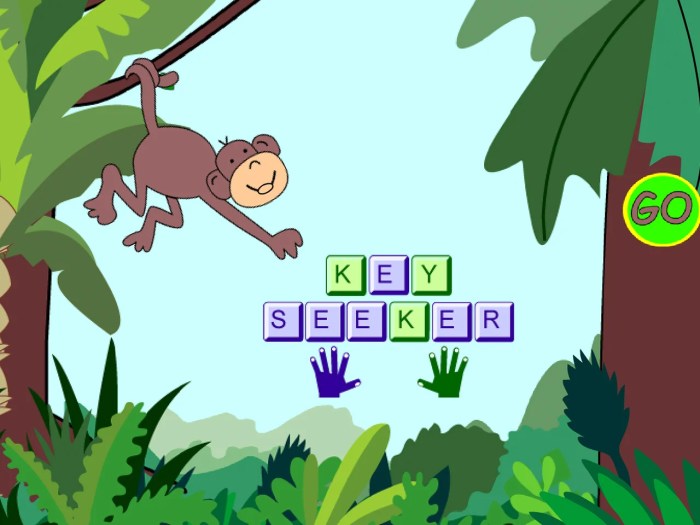
Typing educational games are interactive digital tools designed to help learners improve their typing skills while engaging in educational content. These games combine the elements of fun and learning to make the typing practice more enjoyable and effective.
Benefits of Typing Games in Education
- Enhanced Typing Speed: Typing games can help students increase their typing speed through regular practice and repetition.
- Improved Accuracy: By focusing on typing accuracy within the game scenarios, learners can develop better typing precision.
- Engagement: The gamified nature of typing educational games keeps students motivated and engaged in the learning process.
- Multi-sensory Learning: Typing games often incorporate visuals, sounds, and interactive elements, offering a multi-sensory learning experience.
Types of Typing Games in Education
- Typing Tutors: These games provide structured lessons and exercises to teach typing skills from the basics to advanced levels.
- Typing Challenges: Games that offer typing challenges and timed tests to improve speed and accuracy under pressure.
- Typing Adventures: Story-driven games where typing correctly helps the player progress through the narrative.
- Typing Races: Competitive games where players race against each other or the clock to type accurately and quickly.
Improving Typing Skills with Typing Games
Typing games offer a dynamic and engaging way to practice typing skills, allowing learners to reinforce muscle memory, hand-eye coordination, and finger dexterity. By creating a fun and interactive learning environment, typing games can significantly enhance typing proficiency in students of all ages.
Education Definition
Education is the process of acquiring knowledge, skills, values, beliefs, and habits through instruction, study, or practical experience. It plays a crucial role in shaping individuals and societies by promoting personal growth, critical thinking, and social development.
Formal Education vs Informal Education
Formal education refers to structured, institution-based learning with defined curriculum and assessments, leading to recognized qualifications like degrees or diplomas. In contrast, informal education occurs outside traditional academic settings, often through life experiences, interactions with others, or self-directed learning. While formal education provides standardized knowledge, informal education offers flexibility and real-world application.
Examples of Educational Systems
- The United States: The U.S. education system is decentralized, with a mix of public, private, and charter schools. Students typically progress from elementary to high school, followed by higher education at colleges or universities.
- Finland: Finland’s education system is known for its emphasis on equity, teacher professionalism, and student well-being. It focuses on holistic development rather than standardized testing.
- Japan: The Japanese education system is highly structured and places a strong emphasis on discipline, hard work, and excellence. Students undergo rigorous exams to advance to higher levels.
Role of Education in Development
Education plays a vital role in personal development by equipping individuals with knowledge, skills, and values necessary for success in various aspects of life. It also contributes to societal development by promoting social cohesion, economic growth, and innovation. Access to quality education can empower individuals and communities to overcome challenges and create positive change.
Education Essay
Education plays a crucial role in society by providing individuals with the knowledge, skills, and values necessary to contribute meaningfully to their communities. It is the foundation of personal and societal growth, enabling individuals to reach their full potential and participate actively in the development of a prosperous and inclusive society.
Impact of Technology on Modern Education
Technology has revolutionized modern education by expanding access to learning resources, facilitating personalized learning experiences, and promoting collaboration among students and educators. The integration of technology in education has transformed traditional teaching methods, making learning more engaging, interactive, and effective.
Relationship Between Education and Economic Growth
Education is a key driver of economic growth as it equips individuals with the skills needed to participate in the workforce, adapt to changing economic demands, and drive innovation and productivity. Countries with higher levels of education tend to experience higher levels of economic development, as educated populations are more likely to secure well-paying jobs and contribute to overall economic prosperity.
Challenges Faced by the Education Sector Globally
The education sector faces numerous challenges globally, including disparities in access to quality education, inadequate funding for educational institutions, outdated curricula that do not meet the needs of the modern workforce, and a lack of trained teachers. Additionally, the COVID-19 pandemic has highlighted the digital divide in education, exacerbating existing inequalities and underscoring the importance of addressing these challenges to ensure equitable access to education for all individuals.
Education Games
Educational games play a vital role in enhancing learning outcomes by making the educational experience more engaging and interactive for students. Through gamification, educators can effectively teach and reinforce key concepts in various subjects. These games not only make learning fun but also help students retain information better and develop essential skills.
Popular Educational Games
- Math: “Prodigy” is a popular math game that helps students practice math concepts through interactive gameplay.
- Language Arts: “SpellingCity” is a fun game that helps students improve their spelling and vocabulary skills.
- Science: “MinecraftEdu” allows students to explore scientific concepts in a virtual world, making learning science more hands-on.
Benefits of Gamification in Education
- Gamification motivates students to actively participate in their learning process.
- It provides immediate feedback, allowing students to track their progress and make improvements.
- Games can adapt to individual learning styles, making education more personalized.
Engaging and Interactive Learning
Educational games make learning more engaging and interactive by incorporating elements of challenge, competition, and rewards. Students are more likely to stay focused and motivated when learning through games, leading to better retention of information and overall academic performance.
Education History
Education has a rich history that has evolved over centuries, shaped by various cultural, social, and technological influences. Let’s explore the key milestones in the history of education and how it has transformed over time.
Ancient Education Systems
In ancient civilizations such as Mesopotamia, Egypt, Greece, and Rome, education was primarily reserved for the elite class and focused on subjects like mathematics, philosophy, and rhetoric. Students were taught by scholars or philosophers in small, intimate settings.
- Ancient Mesopotamia: The earliest known form of formal education can be traced back to ancient Mesopotamia, where scribes were trained to maintain records and communicate through writing.
- Ancient Greece: The ancient Greeks introduced the concept of formal education in schools known as “academies” and “lyceums,” where subjects like mathematics, philosophy, and physical education were taught.
- Ancient Rome: Roman education emphasized practical skills such as oration, law, and military training, preparing individuals for roles in governance and the military.
Medieval and Renaissance Education
During the Middle Ages and Renaissance period, education shifted towards religious institutions, with monasteries and cathedral schools serving as centers of learning. The advent of the printing press revolutionized the dissemination of knowledge.
- Monastic Education: Monasteries played a significant role in preserving knowledge and education during the Middle Ages, with monks copying manuscripts and teaching subjects like theology and Latin.
- Renaissance Humanism: The Renaissance period saw a revival of interest in classical learning and humanism, with scholars like Erasmus advocating for a broader, liberal arts education that included literature, history, and the arts.
- The Printing Press: Invented by Johannes Gutenberg in the 15th century, the printing press allowed for the mass production of books, making knowledge more accessible and contributing to the spread of literacy.
Modern Education Systems
The Industrial Revolution and the Information Age have greatly impacted education, leading to the establishment of compulsory schooling, standardized curricula, and the integration of technology into classrooms.
- Compulsory Education: The 19th century saw the rise of compulsory education laws, making it mandatory for children to attend school and receive a basic education, laying the foundation for universal literacy.
- Progressive Education Movement: Led by educators like John Dewey, the progressive education movement emphasized experiential learning, critical thinking, and child-centered approaches to education.
- Technology in Education: The 21st century has witnessed a rapid integration of technology in education, with the use of computers, tablets, and online resources transforming the way students learn and teachers instruct.
Education Film

Movies have always been a powerful medium for storytelling and shaping public perceptions. When it comes to education, films play a significant role in portraying the challenges, triumphs, and importance of learning. Let’s delve into how education is portrayed in popular films, how they influence our views on education, and some key themes related to education in cinema.
Portrayal of Education in Popular Films
- Many popular films depict education as a transformative experience for characters, showcasing personal growth and development through learning.
- Some films highlight the struggles and obstacles faced in educational settings, shedding light on issues such as inequality, discrimination, and lack of resources.
- Educators are often portrayed as inspirational figures who have a profound impact on their students, shaping their lives and futures.
Influence of Films on Perceptions of Education
- Films have the power to shape public perceptions of education by either romanticizing or critiquing the educational system.
- Positive portrayals of education in films can inspire viewers to value learning and pursue knowledge, while negative depictions can raise awareness about systemic issues in education.
- Through storytelling and emotional connections, films can influence how society views the role of education in personal and societal development.
Themes Related to Education in Films
- Themes of perseverance, resilience, and the pursuit of knowledge are common in films centered around education.
- Exploration of mentorship, empowerment, and the transformative power of education are prevalent themes that resonate with audiences.
- Issues of social justice, equity, and the importance of quality education for all are often portrayed in films that seek to advocate for educational reform.
Films Highlighting the Importance of Education
- The Dead Poets Society (1989)
-This film emphasizes the value of critical thinking, creativity, and individuality in education. - Stand and Deliver (1988)
-Based on a true story, this film showcases the impact of a dedicated teacher on his students’ academic success. - Freedom Writers (2007)
-Inspired by real events, this film explores the power of education to bridge divides and transform lives.
Education Banner
When it comes to promoting educational events and activities, banners play a crucial role in catching the attention of students, parents, and the community. They serve as a visual representation of the message being conveyed and can create a lasting impact on the viewer. Here, we will explore the significance of educational banners in schools and institutions, provide tips for designing effective banners, and discuss their role in promoting educational events.
Significance of Educational Banners
- Educational banners help create a vibrant and engaging environment within schools and institutions.
- They serve as a means of communication, conveying important information about upcoming events, achievements, or initiatives.
- Banners can enhance school spirit and pride, fostering a sense of community among students, staff, and parents.
Tips for Designing Effective Educational Banners
- Keep the message clear and concise, ensuring that it is easily readable from a distance.
- Use bright and eye-catching colors to attract attention and create visual interest.
- Incorporate relevant images or graphics that reinforce the message and theme of the banner.
- Consider the placement of the banner to maximize visibility and impact.
Role of Banners in Promoting Educational Events
- Educational banners serve as promotional tools for school events such as open houses, fundraisers, and performances.
- They help generate excitement and anticipation among students, parents, and the community.
- Banners can also be used to highlight achievements, showcase student work, or promote important causes.
Examples of Creative Educational Banners
A banner showcasing student artwork with the message “Celebrating Creativity” at an art exhibition.
A banner promoting a literacy event with colorful illustrations of books and the slogan “Ignite Your Imagination through Reading”.
A banner for a science fair featuring images of experiments and the headline “Explore the Wonders of Science”.
Education Counselor
An education counselor plays a crucial role in guiding students towards academic success and personal development. They provide support, advice, and resources to help students navigate their educational journey effectively.
Role of an Education Counselor
Education counselors assist students in setting academic goals, exploring career options, and developing study skills. They also help students manage stress, improve time management, and address personal issues that may impact their academic performance.
Skills and Qualifications
To become an education counselor, individuals typically need a master’s degree in counseling or a related field. Strong communication, empathy, and problem-solving skills are essential. Additionally, counselors must possess a deep understanding of academic programs, career paths, and mental health issues.
Common Challenges Faced
Education counselors often face challenges such as dealing with students’ emotional crises, managing large caseloads, and staying updated on changing educational trends. Balancing administrative tasks with providing personalized support to each student can also be demanding.
Supporting Students
Education counselors support students by offering individual counseling sessions, organizing group workshops on study skills and career planning, and collaborating with teachers and parents to create a comprehensive support system. They play a vital role in empowering students to overcome obstacles and reach their full potential.
Education Degree
Obtaining an education degree opens up a wide range of career opportunities in various fields. Whether pursuing a traditional on-campus degree or opting for an online education program, higher education degrees are essential for personal growth and professional development.
Different Types of Education Degrees
Education degrees come in various forms, including:
- Bachelor’s in Education
- Master’s in Education
- Doctorate in Education
Career Opportunities Associated with Education Degrees
With an education degree, individuals can pursue careers such as:
- Teacher
- School Administrator
- Curriculum Developer
- Educational Consultant
Traditional vs. Online Education Degrees
While traditional education degrees offer a more hands-on approach to learning, online education degrees provide flexibility and accessibility for working professionals or individuals with busy schedules.
Importance of Pursuing Higher Education Degrees
Higher education degrees not only enhance knowledge and skills but also increase career prospects and earning potential. Pursuing advanced degrees can lead to greater job satisfaction and opportunities for professional growth.
In conclusion, Typing Educational Games offer a dynamic approach to learning that not only sharpens typing skills but also fosters a love for learning. By making education enjoyable and interactive, these games pave the way for a brighter and more engaging educational journey for students worldwide. Embrace the power of typing games and unlock a world of knowledge at your fingertips!
Key Questions Answered
How do typing educational games benefit learners?
Typing educational games enhance typing skills, improve accuracy and speed, and make learning fun and engaging.
What types of typing games are commonly used in education?
Typing games range from simple word games to interactive challenges that focus on speed and accuracy.
Can typing games really improve typing proficiency in learners?
Absolutely! Typing games provide a hands-on approach to learning that reinforces muscle memory and boosts typing skills over time.